Tips on Potty Training Your Pet
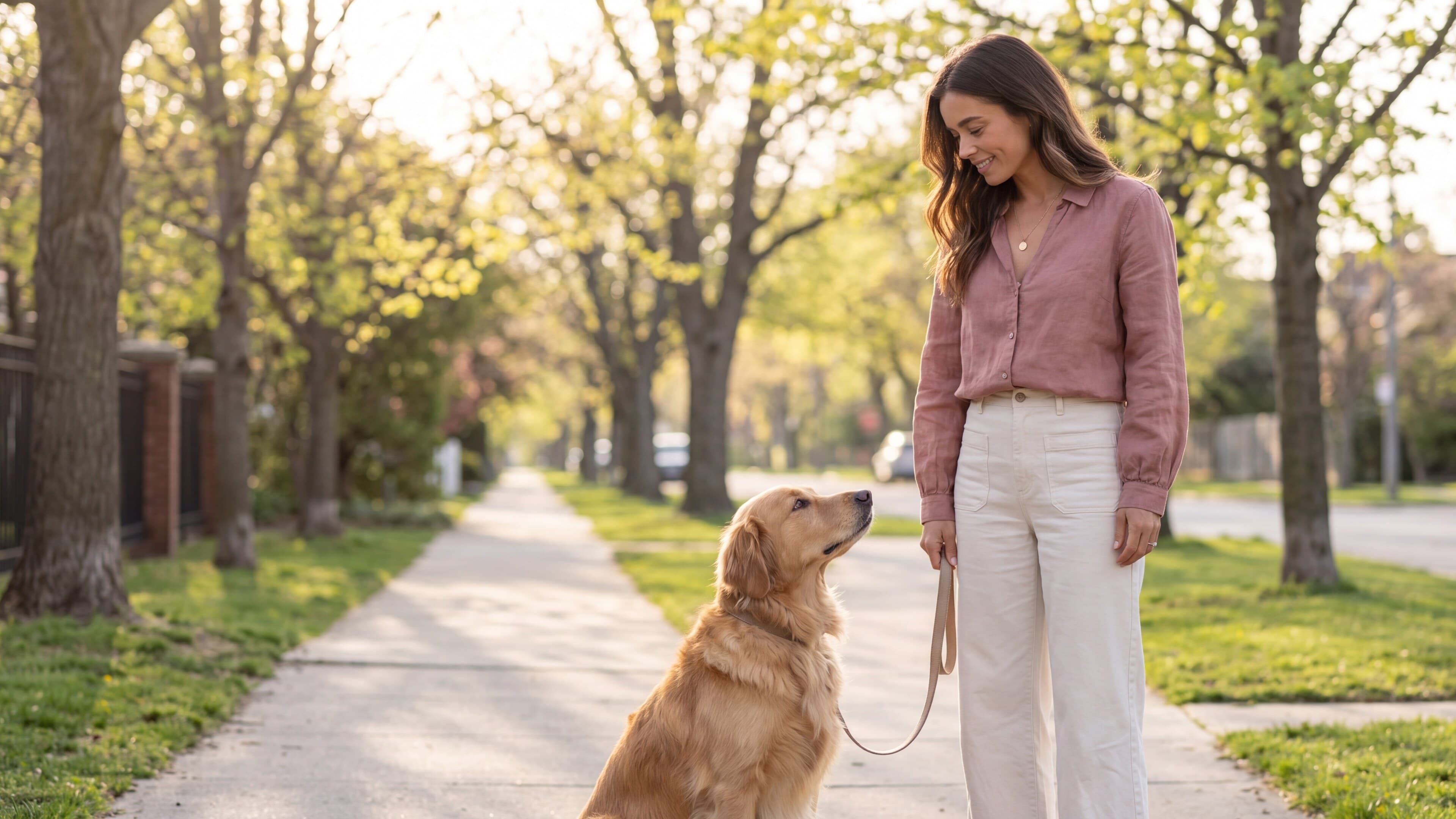
Potty training is one of the first real conversations you have with your pet.
It's not just about where they go — it's about trust, communication, and consistency.
And here's something I always remind people: your pet is not being stubborn. They're learning a new language.
When you approach potty training with patience and structure, it becomes one of the fastest bonds you build.
1. Create a Predictable Schedule
Animals thrive on rhythm.
Take your pet out:
- First thing in the morning
- After eating
- After drinking
- After naps
- After play sessions
- Before bedtime
For puppies, that may mean every 1–2 hours at first.
Consistency reduces confusion.
2. Pick One Potty Spot
Choose one specific area outside and use it every time.
The scent builds association. Your dog begins to understand: This is where we go.
Stay calm. Stand still. Give them time to focus.
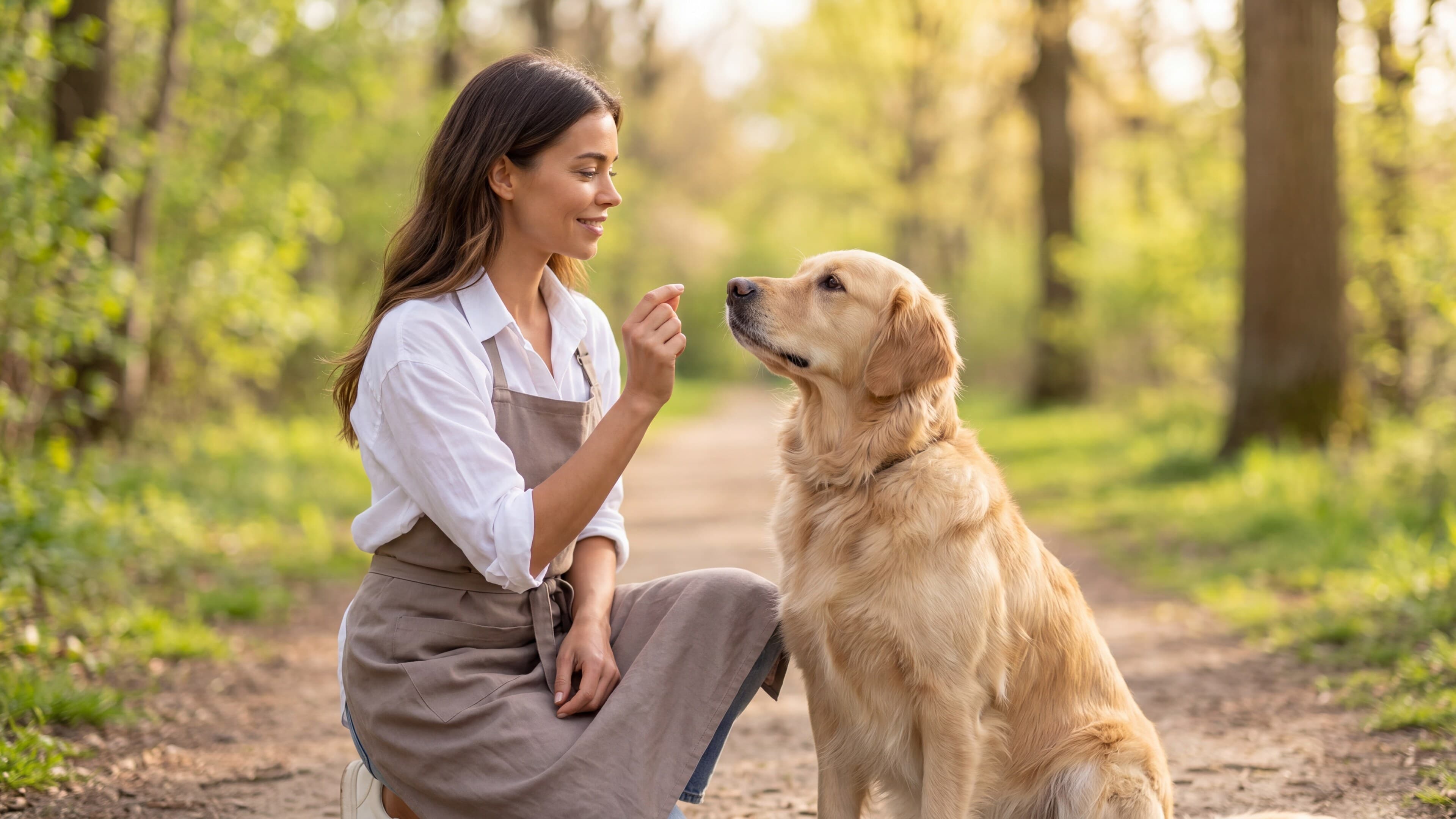
If they go — praise immediately.
3. Reward Instantly
Timing matters.
The reward must happen within seconds of the behavior.
Use:
- Verbal praise
- A small treat
- Gentle affection
Make it clear: This is exactly what I wanted.
4. Supervision is Everything
If you're not actively watching your pet, accidents are more likely.
Early on:
- Keep them in the same room
- Use baby gates or a crate when you can't supervise
- Watch for sniffing, circling, or moving toward the door
These are signals. Learn to read them early.
5. Handle Accidents Calmly
If an accident happens — and it will — do not punish.
Clean it up quietly. Use an enzymatic cleaner to remove the scent. Move on.
Punishment creates fear, not understanding. Your dog doesn't connect anger with something they did minutes ago.
Stay patient. Stay consistent. The results will come.
6. Celebrate Progress
Every successful trip outside is a small victory.
Your dog is trying. They're learning. And with your calm guidance, they'll get there.
Potty training isn't just a skill. It's your first shared language.
Make it a kind one.